




The Behavioral Neuroscience and Alzheimer's and the Memory Disorders Clinics, located at The University of Arizona Health Sciences Center in Tucson, were developed to evaluate and treat a wider range of neurobehavioral disorders than is usually offered by health care institutions. Behavioral neuroscience is a relatively new medical discipline that incorporates neurology, neuropsychology, and psychiatry, to offer patients a broader range of evaluation and treatment than was heretofore possible. The goal of the Memory Disorders Clinic is to evaluate various types of memory dysfunction through the use of neuropsychological testing.
Anyone experiencing these problems, who is above the age of 16 years, can be evaluated. For those patients who require neuropsychological testing, referral to the Memory Disorders Clinic is appropriate. For patients requiring a complete neurological-medical evaluation, referral to the Behavioral Neuroscience and Alzheimer's Clinic is appropriate. If you are uncertain about your condition, ask your primary care physician or call one of the clinics.
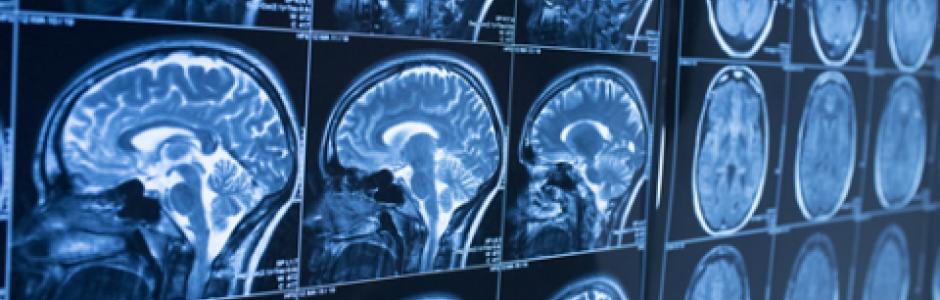
At the Behavioral Neuroscience and Alzheimer's Clinic, the behavioral neurologist compiles a complete picture of the patient -- including the evolution of the current problem, past medical history, medications, and social and family history. Mental status and neurological examinations are also performed. Based on the findings, a number of tests may be ordered, including brain imaging (CT, MRI, PET, SPECT), blood work, neuropsychological testing, electroencephalogram (EEG), and neuropsychiatric evaluation. These tests help the physician formulate a diagnosis, and may also help to find a treatable cause of the neurobehavioral syndrome.
At the Memory Disorders Clinic, a similar history of the patient's problem is obtained by the neuropsychologist. Rather than medical and neurological examinations, however, full neuropsychological testing is performed in order to obtain a comprehensive profile of the patient's cognitive and emotional functioning. This testing usually takes the better part of a day, and evaluates capacities such as memory, language, visuospatial processing, and executive functioning.
A follow-up appointment is scheduled to review the test results and offer a diagnosis. The patient will be able to ask questions and discuss the condition with the doctors. Prognosis and treatment options (where possible) will also be discussed. In addition, consideration for entry into a number of research studies (such as drug trials for Alzheimer's Disease being conducted at the University of Arizona) will be discussed, if appropriate.
Patients are usually referred to the Behavioral Neuroscience and Alzheimer's or Memory Disorders Clinics by their primary care physician, neurologist, neurosurgeon, or psychiatrist. Referrals can also be made by psychologists, other health professionals, the patient, or family members.
Once the referral and appointment are made, we will request a brief summary of the patient's problem and treatment, medical history, and previous test results -- such as blood tests, EEG, etc. If neuroimaging (CT or MRI) has already been performed, the patient will be asked to bring the films, or copies of them. It is useful to have these materials at the clinic before the first appointment so they can be reviewed ahead of time.
For referral information or to schedule an appointment at either the Behavioral Neuroscience and Alzheimer's Clinic or the Memory Disorders Clinic, please call during office hours, 8:00 a.m. to 5 p.m., Monday through Friday. The addresses and telephone numbers are listed below:
Behavioral Neuroscience and Alzheimer's Clinic
Department of Neurology
Room 7319
University Medical Center
1501 North Campbell Avenue
Tucson Arizona 85724-5023
(520) 626-6524
Memory Disorders Clinic
Department of Psychiatry
Room 7407
University Medical Center
1501 North Campbell Avenue
Tucson, AZ 85724-5002
(520) 626-2357
Geoffrey L. Ahern, M.D., Ph.D.
Professor of Neurology, Psychology, and Psychiatry
Director, Behavioral Neuroscience and Alzheimer's Clinic
Anne M. Herring, Ph.D., ABPP
Associate Professor of Clinical Psychiatry, Psychology,
and Neurology
Director, Clinical Psychology Internship Program
Alfred W. Kaszniak, Ph.D., ABPP
Professor of Psychology, Psychiatry, and Neurology
Head, Department of Psychology
Director, Coordinated Clinical Neuropsychology Program